Meet an Inspiring Teacher-Coach Who’s Shaping Futures in Galapagos
Teacher-coaches are the heartbeat of EcoEducate’s approach to stronger and more impactful education. These coaches are leaders who not only mentor their teacher peers to spark better teaching and learning but also provide ongoing workshops and other forms of professional development. Recently, EcoEducate’s Coaching Director, Miriam Chacón, sat down with Alexis Sancán, a coach-in-training on Santa Cruz Island in the Galapagos Islands, to talk about his journey and vision.
Miriam: Alexis, could you tell us a bit about your background?
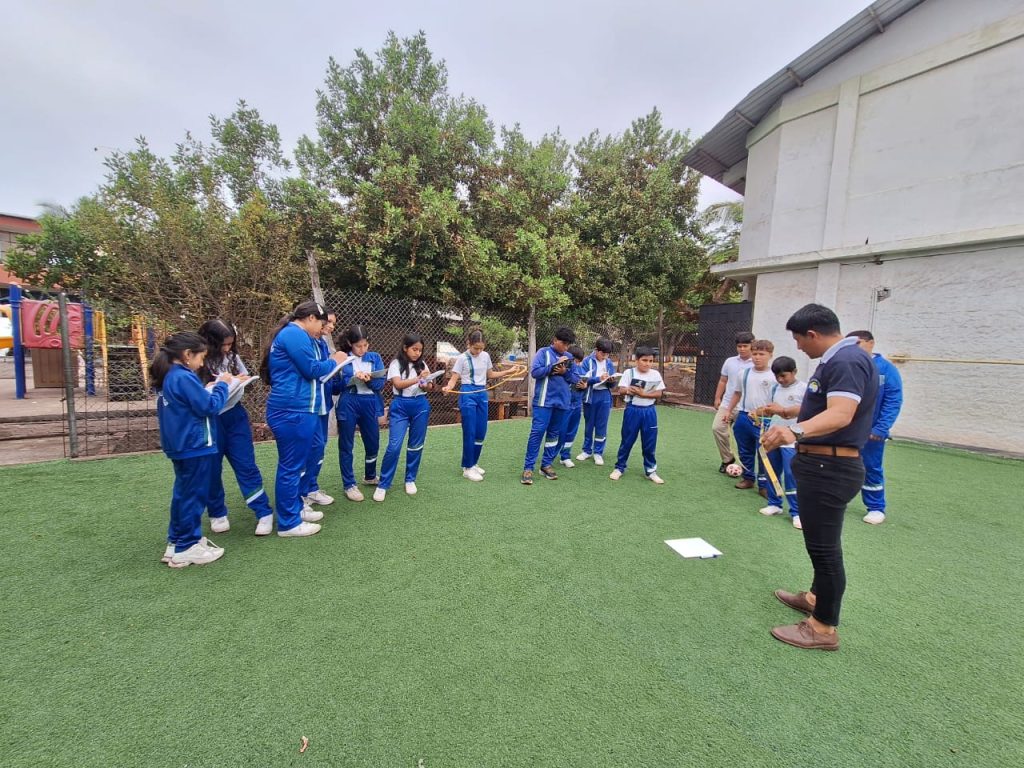
Alexis: I was born in Guayaquil (Ecuador) on August 21, 1985, but I’ve lived my whole life in the Galapagos Islands. This is the place I consider my true home, where I’ve built my life.
I have an 18-year-old daughter. My parents were born in Manabí province, but in the 1980s they moved to Galapagos along with my maternal grandparents, part of that generation of early settlers who came to Santa Cruz’s highlands. I arrived as just a baby in their arms!
My childhood was beautiful. I grew up in the Edén neighborhood surrounded by parents, cousins, and close family. When I was 5, I lost my father — a tragedy that marked my childhood. But life gave me an extraordinary mother who fought hard to give me and my sister the best.
On the islands I made friends, teachers, and mentors that I still cherish to this day — people who shaped the person I am now, and whom I respect deeply.
Miriam: What inspired you to become a teacher?
Alexis: Honestly, I became a teacher by chance. At university I had other dreams, but economic limitations forced me to take another path. Life then gave me the opportunity to study education. What really inspired me was my love for sports — sharing with young people in spaces they’re passionate about made me realize I could connect with students in ways that spark real learning.
I’ve been teaching for 17 years in different schools. First at Unidad Educativa San Francisco, then Miguel Ángel Cazares, and for the past 13 years at Galo Plaza Lasso School. I’m proud to be part of this noble institution.
Miriam: How would your students describe you in three words?
Alexis: I think my students would call me charismatic, motivating, and strict!
Miriam: How do you explain your job as a teacher-coach to someone outside of education?
Alexis: My job as a teacher-coach is to help other teachers discover their strengths, face challenges, and find strategies to make their classes more effective, engaging, and inclusive. When a teacher improves, their impact multiplies — on their students and across the whole school community.
Miriam: What do colleagues appreciate about your support? Can you share an “aha!” moment?
Alexis: I think they value that I don’t just tell them what to do. I walk with them — with empathy, listening, and practical tools that fit their classrooms.
I remember one study circle on small-group work. A colleague felt her students weren’t collaborating. Together we designed a class with defined roles, routines, and a clear product. Next session, she came back so excited — her students were engaged, interacting, and even taking ownership of their learning. For me, it was proof of how powerful it is to coach with empathy and support.
Miriam: How has your professional development in Galapagos changed the way you see teaching?
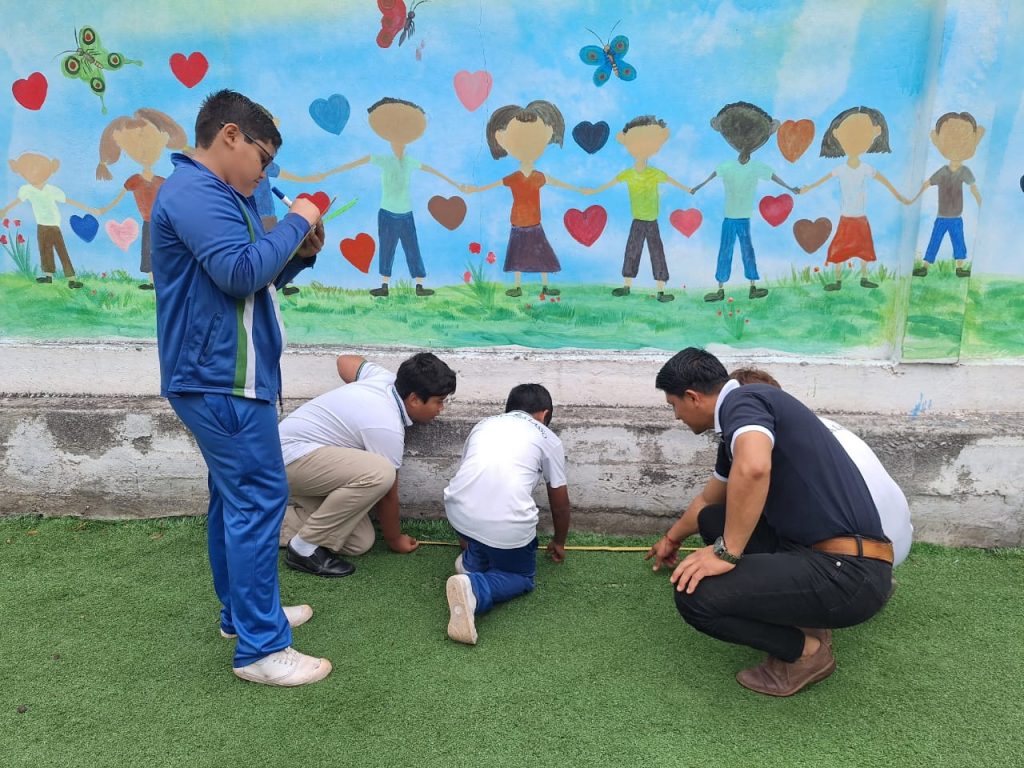
Alexis: Living in Galapagos comes with the huge responsibility of protecting this fragile ecosystem. Professional development I have received here has transformed my view of teaching — from “transmitting knowledge” to sparking reflection, decision-making, and care for the place we call home.
Miriam: What strategies have you brought back to your school?
Alexis: Designing place-based projects. Instead of teaching biodiversity from a textbook, we explore it through real experiences — like community fieldwork or interviews with local experts. This approach deepens students’ curiosity and ties learning to their lives. I’ve also added socio-emotional assessments, which help me understand how students feel and learn. This has made my classroom more alive, connected, and meaningful.
Miriam: What keeps you going in public education despite the challenges?
Alexis: I’m driven by the conviction that every student deserves a real chance to transform their life. For me, public education is social justice. Teaching here is my way of making sure kids have not just knowledge, but also dreams, possibilities, and a brighter future.
Miriam: How do you see your role beyond teaching content?
Alexis: I see myself as a guide and companion. My goal isn’t just for students to master math or language, but to grow in values, confidence, and skills to transform their lives and their community — especially in a place as unique as Galapagos.
Miriam: What does “success” look like for your students?
Alexis: Success isn’t just reaching the finish line. It’s growing along the way, learning, being happy, and realizing they have the power to build their own future and improve the world around them.
Miriam: As a teacher-coach, what advice would you give a new teacher?
Alexis: I’d tell him or her: “Don’t try to be perfect, try to be authentic.” Teaching requires lifelong learning and trial and error. Mistakes are normal and even necessary — they help you grow and connect more deeply with your students.
Miriam: What’s your dream for your students, school, or community?
Alexis: My dream is for students to see themselves as community leaders — aware of their natural and cultural heritage, and confident in their ability to care for and share it with the world. I imagine schools as places with open doors to the ocean, forests, and the local community — where learning is meaningful and deeply human. I dream of a community that treasures education as a collective path to well-being, equity, and dignity.